The Supreme Court flagged organised child trafficking as a grave reality, directing courts to treat victims as injured witnesses. Despite strong laws, poor implementation and rehabilitation persist, demanding victim-centric justice, judicial training, coordination, and action on root socio-economic causes.
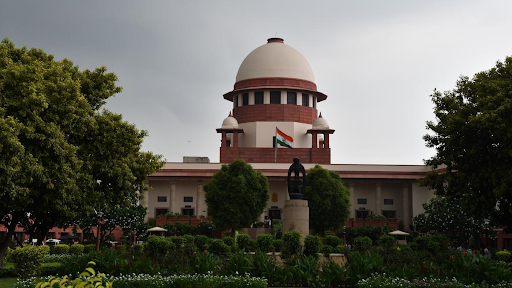
Copyright infringement not intended
Picture Courtesy: THE HINDU
The Supreme Court declared that child trafficking and commercial sexual exploitation by organized cartels are a “deeply disturbing reality” in the country.
|
Read all about: HUMAN TRAFFICKING l HUMAN TRAFFICKING IN INDIA |
Credibility of Testimony
A trafficked child’s sole testimony can be sufficient for conviction if found credible.
Courts must recognize the complex and layered nature of trafficking operations, which makes it difficult for a victim to recall every precise detail.
Sensitivity to Vulnerability
Judicial assessment must consider the socio-economic and cultural vulnerabilities of victims, who often come from marginalized communities.
Minimizing Secondary Trauma
The legal process must protect victims from further psychological harm and uphold their dignity.
Avoiding Prejudicial Assumptions
Courts are instructed to avoid negative assumptions based on a victim's behavior, such as a perceived delay in reporting or lack of physical protest.
Child trafficking is the recruitment, transportation, harbouring, or receipt of a child for the purpose of exploitation.
Under Indian law like POSCO and international conventions like Palermo Protocol (UN), the consent of a child victim is legally irrelevant, making it a strict liability offence.
Forms of Exploitation
Scale and Patterns of Trafficking in India
According to the National Crime Records Bureau (NCRB) report 'Crime in India 2023', a total of 82,141 trafficking victims were rescued in 2023, of which 30,553 were children. However, experts believe these figures represent underreporting.
Key Trafficking Hotspots and Routes
Socio-Economic Drivers
Demand-Side Pull Factors
Emerging Drivers
Constitutional Foundation
Key Legislative Framework (2025 Updates)
|
International Obligations India is a signatory to several international conventions, reinforcing its commitment to combating trafficking:
|
Vishal Jeet vs Union of India (1990): The Supreme Court (SC) categorized child prostitution as a socio-economic malady rather than a mere law-and-order issue.
M.C. Mehta vs State of Tamil Nadu (1996): SC enforced the prohibition of children in hazardous industries under Article 24.
Bachpan Bachao Andolan vs. Union of India (2011): The SC ordered an absolute ban on the employment of children in all circuses.
Socio-economic Drivers
Deep-rooted poverty, lack of educational and employment opportunities, migration, and climate-induced disasters create a continuous pool of vulnerable children for traffickers.
Organized Criminal Networks
Trafficking rings operate through complex, multi-layered networks across states and porous international borders (e.g., India-Nepal, India-Bangladesh), making them difficult to track and dismantle.
Emerging Forms of Exploitation
The digital economy creates new exploitation risks, such as children being trafficked for forced labor in quick-commerce 'dark stores' or groomed online for sexual abuse.
Low Conviction Rate
The national conviction rate for human trafficking is low, about 16%, due to victim intimidation, insufficient evidence, and slow procedures. (Source: NCRB)
Gaps in Data and Coordination
Fragmented data systems and poor coordination between law enforcement agencies of different states hinder effective tracking of missing children and trafficking routes.
Strengthening Prevention
Improving Enforcement and Justice
Focus on Comprehensive Rehabilitation
Ending child trafficking requires collaboration among law enforcement, the judiciary, civil society, and communities. While Supreme Court guidelines provide judicial support, success depends on grassroots prevention, economic security for vulnerable families, and a safe society for all children.
Source: THE HINDU
|
PRACTICE QUESTION Q. Examine the multi-dimensional socio-economic factors driving child trafficking in India and discuss the major challenges in its effective prevention and prosecution. 150 words |
The Supreme Court directed that a child victim be treated as an "injured witness," whose sole testimony can be sufficient for conviction. It also instructed lower courts to overlook minor inconsistencies in testimony due to trauma and avoid "secondary victimization" during the judicial process.
Operation AAHT (Action Against Human Trafficking) is a pan-India initiative by the Railway Protection Force (RPF) to rescue victims, particularly women and children, from the clutches of traffickers who frequently use the railway network for transportation.
"Secondary victimization" refers to the extra trauma victims of crime endure after the offense, often due to their interaction with the justice system. This distress is caused by factors like insensitive police questioning, the overwhelming courtroom environment, and the need to repeatedly recount the traumatic event.




© 2026 iasgyan. All right reserved