Rabies is a highly fatal but completely preventable viral disease that primarily affects the central nervous system and is mostly transmitted to humans through dog bites in India. It disproportionately impacts poor and rural communities and children, largely due to low awareness and limited access to timely post-exposure vaccination and immunoglobulin. India has launched programmes such as the National Rabies Control Programme and the National Action Plan for Rabies Elimination 2030, based on the One Health approach, focusing on dog vaccination, sterilisation, surveillance, and free PEP in public hospitals. With sustained awareness, mass dog vaccination, and improved access to treatment, India can eliminate dog-mediated human rabies deaths by 2030.
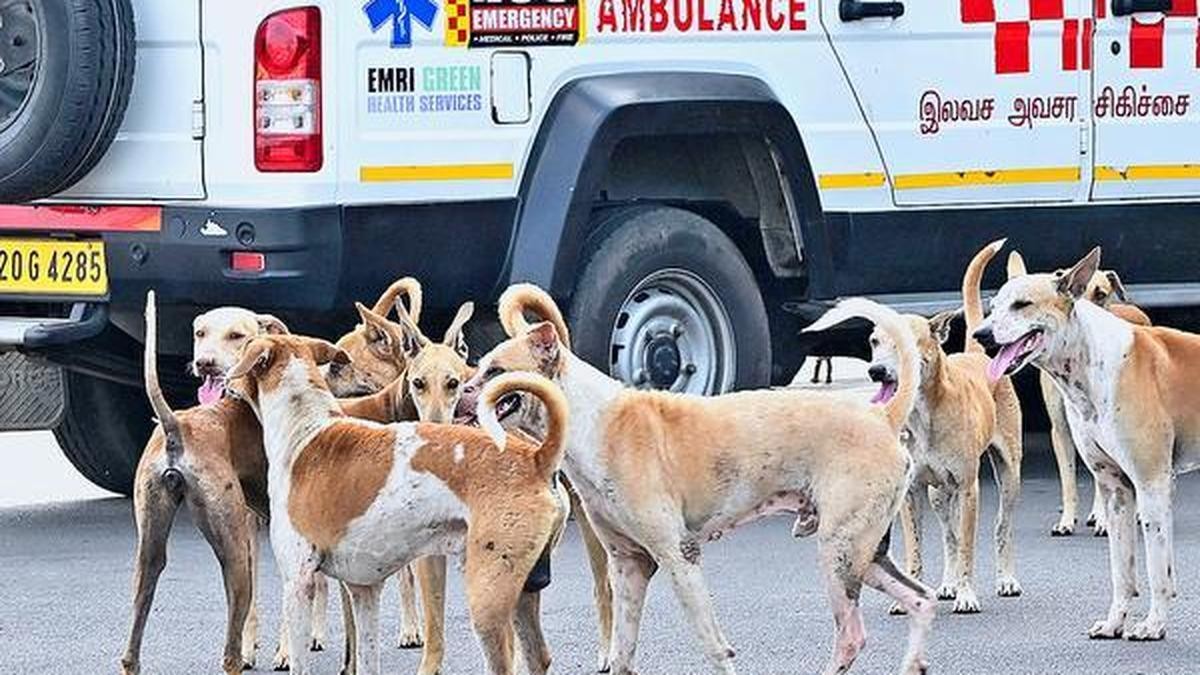
Copyright infringement not intended
Picture Courtesy: The Hindu
According to recent research published in One Health (December 2024), rabies is widespread in the country, thrives largely among dogs, and overwhelmingly affects the poor and socially marginalised.
|
Must Read: RABIES | NATIONAL RABIES CONTROL PROGRAMME | NATIONAL ACTION PLAN FOR DOG MEDIATED RABIES ELIMINATION | PROBLEM OF STRAY DOGS | |
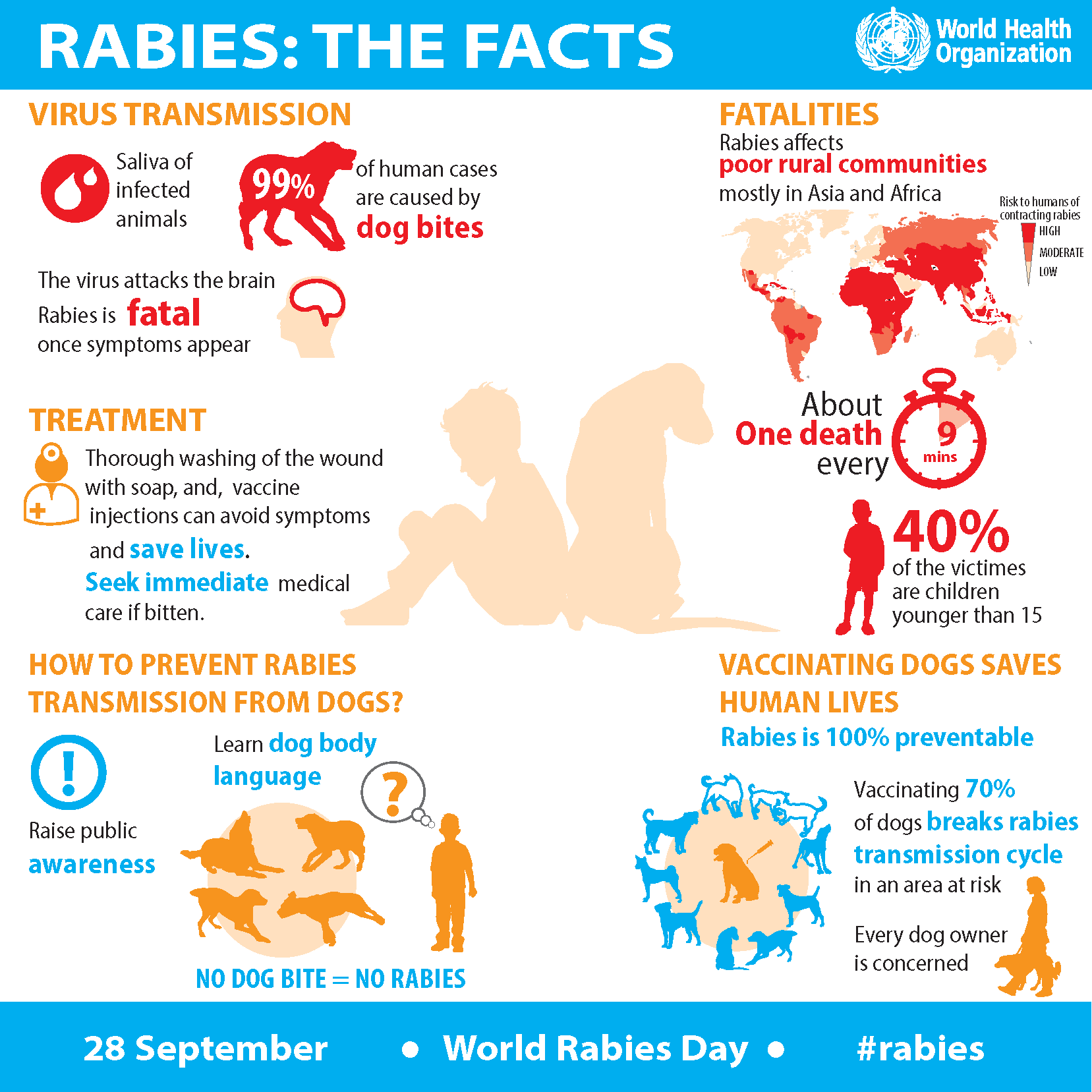
Source: WHO
Types of Rabies in Humans
Furious Rabies
This is the more common form and is characterised by:
Death typically occurs within a few days due to cardiorespiratory failure.
Paralytic Rabies
This form progresses more slowly and is often missed or misdiagnosed.
Paralysis begins near the bite site, gradually spreads, and leads to coma and death.
Because of its subtle presentation, paralytic rabies contributes significantly to under-reporting of cases.
Transmission:
Rabies is caused by the rabies virus, which targets the brain and nervous system.
Transmission occurs mainly through:
Dogs account for up to 99% of human cases, making dog-mediated rabies the primary public health concern in many countries.
Symptoms of Rabies:
Early symptoms are usually non-specific and may include:
As the infection spreads to the nervous system, severe inflammation of the brain and spinal cord develops, which is almost always fatal without prior vaccination.
The incubation period can range from one week to one year, depending on the site of the bite and the amount of virus introduced.
Prevention of Rabies:
Rabies is entirely preventable with proper public-health measures.
Key strategies include:
Dog vaccination not only prevents infection in animals but also decreases human exposure and reduces the need for post-exposure treatment.
National Rabies Control Programme (NRCP): The Central Government supports States to ensure availability of vaccines and immunoglobulins, improve surveillance, train health workers, and raise public awareness about wound washing and timely PEP.
National Action Plan for Rabies Elimination 2030: India aims for zero human deaths from dog-mediated rabies by 2030 under a One Health approach, focusing on mass dog vaccination, dog population control, and universal access to post-exposure prophylaxis.
Animal Birth Control and Anti-Rabies Vaccination: Urban local bodies run programmes to sterilise and vaccinate free-roaming dogs, helping reduce dog bites and rabies transmission in a humane way.
Free or Subsidised PEP in Public Hospitals: Many government facilities provide free anti-rabies vaccines and immunoglobulins, reducing financial burden on bite victims.
Integrated Disease Surveillance Programme (IDSP): Rabies and dog-bite cases are tracked and reported to enable early public-health response.
|
WHO Response Rabies is included in the WHO 2021–2030 roadmap for neglected tropical diseases.
Mexico became the first country validated by WHO in 2019 for eliminating human deaths caused by dog-mediated rabies. |
Rabies in India remains a completely preventable yet persistently fatal disease, mainly affecting the poor and children. Strengthening dog vaccination, humane population control, timely post-exposure treatment, and public awareness under the One Health approach is essential. With sustained implementation of national programmes and reliable access to vaccines and immunoglobulins, India can realistically achieve zero dog-mediated human rabies deaths by 2030.
Source: The Hindu
|
Practice Question Q. Rabies is primarily a disease of which body system? A. Respiratory system Answer: C Explanation: |
Rabies is a viral zoonotic disease that attacks the central nervous system, causing progressive inflammation of the brain and spinal cord. Once a person develops symptoms such as hydrophobia, paralysis, or coma, the disease is almost always fatal. However, rabies is entirely preventable through timely vaccination after exposure.
Rabies spreads mainly through the saliva of infected animals, usually when a bite or scratch breaks the skin. The virus can also enter through mucous membranes such as the eyes or mouth. Transmission through casual contact such as touching an animal is not known to occur; it requires contamination of a wound with saliva.
In India, domestic and stray dogs are the major source, causing nearly 99% of human rabies cases. Other animals such as cats, mongooses, jackals, monkeys, and bats may transmit the virus but are far less common. The dominance of dog-mediated rabies is linked to large free-roaming dog populations and low vaccination coverage.



© 2026 iasgyan. All right reserved