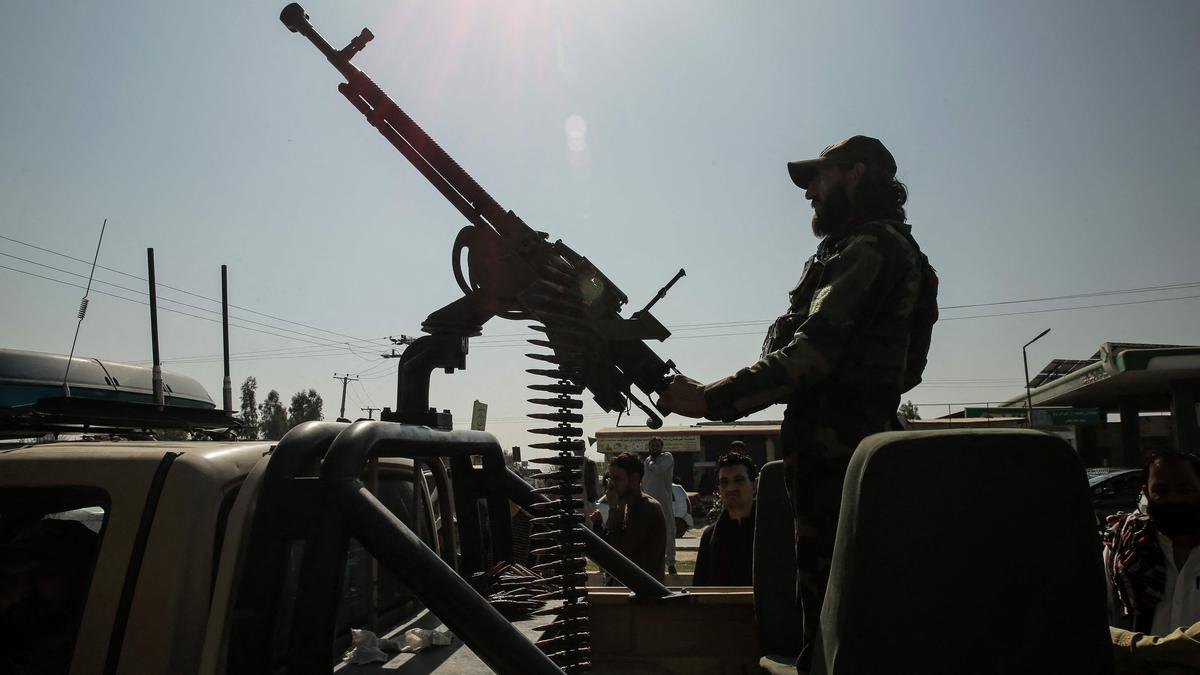
Pakistan’s ties with the Afghan Taliban have deteriorated into open clashes over the Durand Line, largely due to Kabul’s inaction against the TTP operating from Afghan soil. The breakdown ends Pakistan’s “strategic depth” strategy, exposing vulnerabilities, while offering India fresh diplomatic and strategic openings.
Copyright infringement not intended
Picture Courtesy: THEHINDU
Context
Relations between Pakistan and Afghanistan are fracturing over the Durand Line, affecting regional stability.
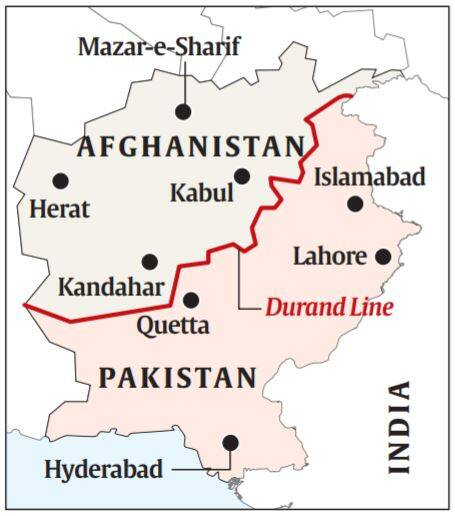
What is Durand Line?
The Durand Line is the 2,611-kilometre international border between Afghanistan and Pakistan.
Historical Origin
The Dispute
The line is one of the most contested and dangerous borders in the world.
Current Status
Tensions escalated into an "open war" in late February 2026 after cross-border airstrikes and retaliatory ground operations.
Why Has the Pakistan-Taliban Relationship Deteriorated?
The deterioration of the relationship between Pakistan and the Taliban—once considered close strategic allies—is driven by a breakdown in security cooperation and mutual trust.
Resurgence of the TTP (Pakistani Taliban)
Direct Military Hostilities (2026)
Mass Deportation of Afghan Refugees
Pakistan has used the deportation of Afghan nationals as a tool of economic and political coercion.
The "India Factor" and Strategic Distrust
Pakistan's long-standing goal of "strategic depth" in Afghanistan has collapsed as the Taliban asserts its independence.
Territorial Disputes
The Durand Line remains an unrecognised border by the Taliban.
What are the Broader Implications of this Conflict?
Implications for India
The evolving situation presents both challenges and opportunities for New Delhi.
Regional Impact
The conflict fuels broader regional instability, raises the risk of a new refugee crisis, and creates a power vacuum that other actors, such as China, may seek to fill.
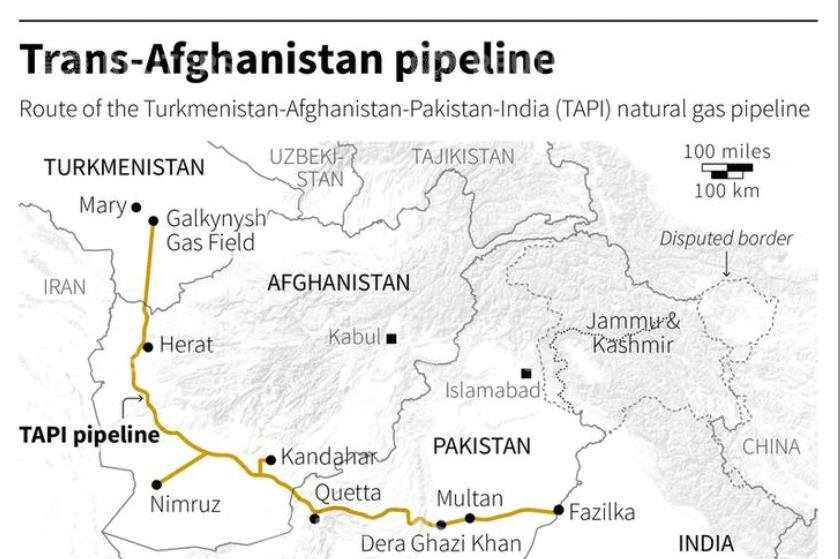
It also jeopardizes key connectivity projects like the TAPI (Turkmenistan-Afghanistan-Pakistan-India) gas pipeline.
Conclusion
The shift from a patron-client bond to a hostile rivalry between Pakistan and the Afghan Taliban over the TTP issue has fundamentally altered regional security, exposed the failure of Pakistan's 'strategic depth' policy, and created new opportunities for India and other regional players.
Source: THEHINDU
|
PRACTICE QUESTION Q. The ongoing conflict between Pakistan and the Afghan Taliban presents both challenges and opportunities for India. Discuss. 150 words |
The Durand Line is the 2,670-kilometer international border between Pakistan and Afghanistan. Established in 1893 by British India, it has been a source of contention as Afghanistan has never officially recognized its legitimacy, leading to persistent cross-border tensions.
The relationship has deteriorated primarily due to the Afghan Taliban's refusal to take decisive action against the Tehrik-e-Taliban Pakistan (TTP). Pakistan accuses the Taliban of providing safe havens and support to the TTP, which has significantly increased its terrorist attacks inside Pakistan since the Taliban's takeover of Kabul in 2021.
The conflict presents both risks and opportunities for India. The risks include increased regional instability and the potential for Afghanistan to become a hub for transnational terrorism. The opportunities arise from the failure of Pakistan's "strategic depth" policy, which reduces the threat of a united Pakistan-Taliban front against India and creates a diplomatic opening for New Delhi to engage directly with Kabul.


© 2026 iasgyan. All right reserved