Description
Disclaimer: Copyright infringement not intended.
Context:
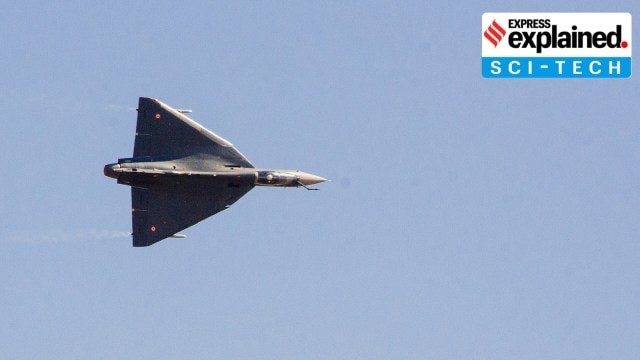
Fighter jets are loosely classified in terms of generations, which indicate when they were developed and their technological capabilities.
The five generations (so far)
There are currently five generations of fighter jets that are (or were in the past) in active service, with sixth-generation jets currently in development. According to the classification presented by aviation expert David Baker in Fifth Generation Fighters (2018).
What does "generation" mean?
The term "aircraft generation" appeared in the 1990s and refers primarily to fighters. Each generation represents a significant leap in fighter technology.
There is no strict definition of what constitutes a generation, and these generations serve as a general guide for comparing aircraft technology, not as an exact measure of their capabilities.
Generational shifts typically occur when new technological innovations are too significant to be integrated into existing designs through upgrades.
There are currently five generations of fighters that are (or have been) in active service, with a sixth generation currently in development.
First generation (1943 to 1955)
- The first generation of fighters appeared during the last years of World War II.
- Early jet fighters, faster than piston engine fighters but still subsonic.
- Basic avionics, no self-defense systems, and armed with machine guns or cannons.
- These aircraft were deployed as interceptors and could engage in close-range combat.
- Examples: Messerschmitt Me 262, Mikoyan-Gurevich MiG-15.
Second generation (1955-1970)
- The introduction of afterburners and swept wings enabled second-generation aircraft to reach transonic and supersonic speeds in level flight.
- Fire control radars were introduced, along with the first semi-active radar-guided missiles.
- Radar warning receivers were added, opening the way for countermeasures.
- Examples: MiG-21, Lockheed F-104 Starfighter.
Third generation (1960s to 1970s)
- Integrated designs, multi-role capabilities (fighter-bombers and interceptors), visual range warfare, pulse Doppler radar, and electronic warfare systems.
- The aircraft featured more powerful turbofan engines for superior range, maneuverability and sustained supersonic flight.
- Examples: McDonnell Douglas F-4 Phantom, MiG-23, Hawker Siddeley Harrier.
Fourth generation (1970-2000)
- Fly-by-Wire (FBW) technology: The introduction of FBW systems allowed for better maneuverability and more stable flight at high speeds using computers to mediate pilot input and aircraft control surfaces.
- Introduction of advanced avionics, including head-up displays (HUDs) and improved electronic warfare systems.
- Stealth (ability to be invisible to radar systems): Composite construction materials, radar absorbing paints, etc.
- Examples: F-16 Fighting Falcon, Sukhoi Su-30, Dassault Rafale.
Fifth generation (2000–present)
Fifth-generation fighter jets are the most advanced aircraft in service today. They feature stealth technology, integrated systems that give pilots a full view of the battlefield, and networked communications that allow them to act as a coordinated team.
- Advanced computer systems help automate many functions, reducing pilot workload and increasing operational efficiency.
- Introduced in 2005, the Lockheed Martin F-22 Raptor was the first of its kind. It remains unrivaled in stealth and long-range combat, with a radar signature as small as a bird and advanced systems to detect and kill enemies before they are detected.
- Currently, only the USA (F-22, F-35), Russia (Sukhoi Su-57) and China (Chengdu J-20) operate fifth-generation fighters.
- India is developing its own but is still a long way from creating a prototype.
Sixth generation (under development)
- Speculated Features: May include optionally manned or unmanned capabilities, hypersonic speeds, advanced AI, directed energy weapons (eg lasers) and possibly suborbital flight.
- Potential examples: Tempest (UK, Italy, Japan), FCAS (Future Combat Air System) (France, Germany, Spain)
Source:
INDIAN EXPRESS
|
PRACTICE QUESTION
Q.Examine the evolution of generation in fighter jets and its impact on modern warfare. Highlight the key technological advancements that distinguish each generation with a focus on their strategic implications for air superiority. (250 words)
|