Description
Disclaimer: Copyright infringement not intended.
Context
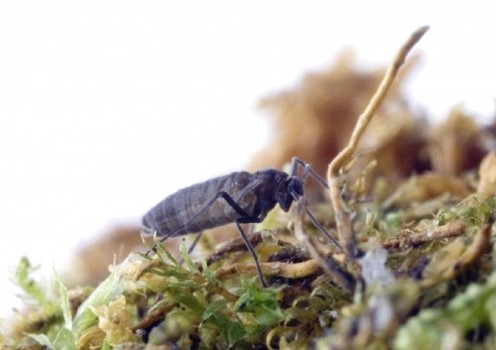
- The invasion of a tiny insect is altering Antarctica’s soil & its ecosystem. The other fear is that it can spread through other islands as it can survive in water.
Details
Location
- Antarctica’s Signy Island, half of which is always covered in ice, has been dealing with a flightless midge, for years.
Impact
- Eretmoptera murphyi feasts on dead organic matter and has led to faster plant decomposition, thus increasing the soil nitrate levels by three-five times compared to places on the island where the midge is absent and only native invertebrate species live.
About the insect
- It is a native of South Georgia, a sub-Antarctic island, and was accidentally introduced to Signy in the 1960s during a botany experiment.
- It’s proliferation became apparent in the 1980s.
How they spread?
- Experts have proposed some theories for the cause of the spread of murphyi, the most prominent one being through humans.
- It is possible they clung to the soles of researchers and tourists who walked over their colonies and travelled longer distances than they could have by any other means.
- The other fear is that it can spread through other islands as it can survive in water.
|
PRACTICE QUESTION
Q) Which of the following statements with reference to Eretmoptera murphyi is/are correct?
1. The invasion of Eretmoptera murphyi, a tiny insect is altering Antarctica’s soil & its ecosystem.
2. It is a native of South Georgia, a sub-Antarctic island.
- 1 only
- 2 only
- Both 1 and 2
- Neither 1 nor 2
Correct Answer: 3
|

https://www.downtoearth.org.in/news/wildlife-biodiversity/how-the-invasion-of-a-tiny-insect-is-altering-antarctica-s-soil-its-ecosystem-89266