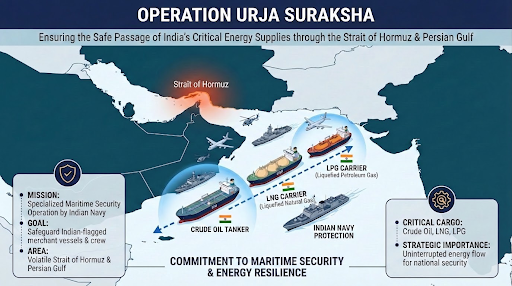
Operation Urja Suraksha is the Indian Navy’s 2026 strategic response to the Iran-Israel conflict. By escorting merchant tankers through the Strait of Hormuz blockade, the Navy ensures uninterrupted energy imports and protects India’s national maritime and economic security.
Why In News?
The Indian Navy launched Operation Urja Suraksha to escort Indian energy cargo vessels through the Strait of Hormuz amid escalating West Asia tensions.
What is Operation Urja Suraksha?
Operation Urja Suraksha is a maritime security mission launched by the Indian Navy to ensure the safe passage of Indian-flagged merchant vessels carrying energy supplies (Crude Oil, LNG, and LPG) through the volatile Persian Gulf and the Strait of Hormuz.
Operational Mechanics: Unlike previous general patrols, this mission involves "Close Protection Escorts."
Strategic Significance
Assertion of "Net Security Provider" Status
By launching an independent operation rather than just joining a US-led coalition, India signals its strategic autonomy. It demonstrates the capability to protect its own interests in distant waters.
Protecting the Economy
Diplomacy and De-escalation
The operation is "non-combatant" in nature—focused on protection rather than retaliation. This allows India to maintain its diplomatic tightrope walk with key regional players like Iran, Saudi Arabia, and Israel simultaneously.
Conclusion
Operation Urja Suraksha is a strategic Indian Navy mission designed to safeguard India-bound energy shipments through the volatile Strait of Hormuz amid escalating West Asia tensions.
Source: THEHINDU
|
PRACTICE QUESTION Q. With reference to 'Operation Urja Suraksha', recently seen in the news, consider the following statements:
Which of the statements given above is/are correct? A) 1 and 2 only B) 2 only C) 2 and 3 only D) 1, 2, and 3 Answer: B Statement 1 is incorrect: It is a strategic security mission for escorting cargo, not a joint military exercise. Statement 2 is correct: Its main goal is safeguarding energy lifelines (oil/gas) through critical chokepoints. Statement 3 is incorrect: The operation is led by the Indian Navy, not the Coast Guard. |
Operation Urja Suraksha is a maritime security mission launched by the Indian Navy to escort and protect Indian-flagged merchant vessels carrying vital energy supplies like LNG, LPG, and crude oil through the Persian Gulf and the Arabian Sea amidst escalating conflicts in West Asia.
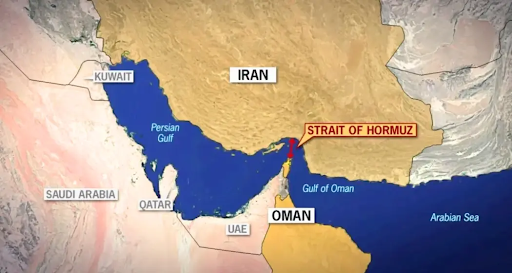
The Strait of Hormuz is the world's most critical oil transit chokepoint, handling about 20% of global petroleum liquids consumption. Since India imports nearly 88% of its crude oil, predominantly from the Middle East, unimpeded access to this strait is crucial for India's economic and energy security.
A blockade disrupts energy supplies, causing global crude oil prices to spike. Every $10 per barrel increase widens India's Current Account Deficit (CAD) by about 0.5% of GDP, raises wholesale inflation, and drastically increases shipping insurance and freight costs for the nation.



© 2026 iasgyan. All right reserved