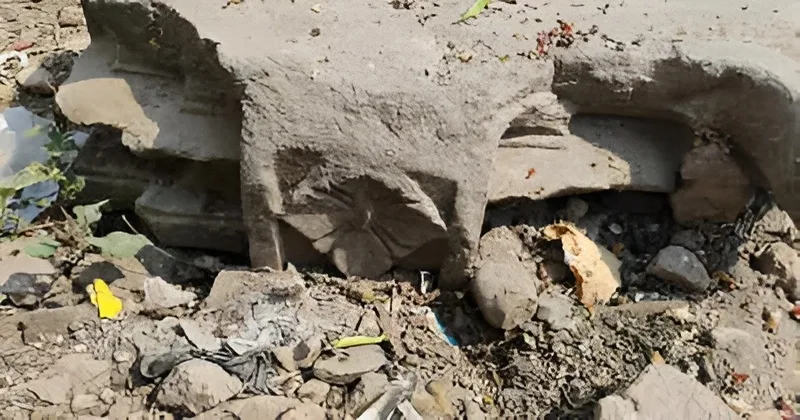
A 12th century Seuna Yadava stone pillar found in Hinganghat, Maharashtra, reflects Hemadpanti architecture and confirms Yadava influence in Vidarbha. The discovery can boost heritage tourism beyond wildlife attractions but exposes preservation gaps, requiring ASI action, community involvement, and integrated policies to safeguard medieval legacy.
Copyright infringement not intended
Picture Courtesy: ORGANISER
Context
Researchers have discovered fragments of a 12th-century stone pillar belonging to the Seuna (Yadava) dynasty in Hinganghat, Maharashtra.
Key Features of the Discovered Pillar
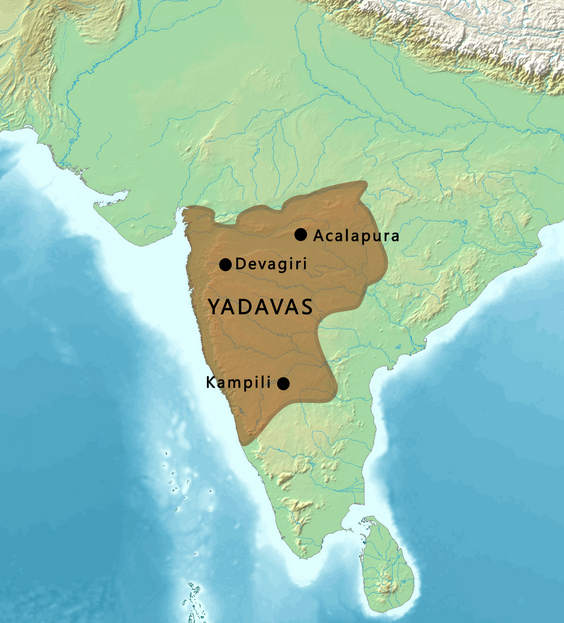
Dynastic Origin: Dates to the 12th century, belonging to the Seuna (Yadava) dynasty, which ruled from Devagiri (Daulatabad).
Material: Carved from locally sourced black basalt, a hard rock that highlights the high level of craftsmanship.
Architectural Style: The pillar is a classic example of the Hemadpanti architectural style, which was dominant during the Yadava period.
Structural Role: Believed to have been part of a temple's sabhamandap (assembly hall) or positioned before the garbhagriha (sanctum sanctorum), indicating the presence of a significant temple complex
About Seuna (Yadava) dynasty
The Seuna (Yadava) dynasty (c. 1187–1317) was a medieval kingdom that ruled the western Deccan region.
Initially feudatories of the Western Chalukyas, they became independent under Bhillama V, controlling territories between the Narmada and Tungabhadra rivers.
Territory & Capital: The empire spanned modern-day Maharashtra, northern Karnataka, and parts of Madhya Pradesh. The capital was shifted to Devagiri by Bhillama V.
Important Rulers:
Cultural & Architectural Impact: The Yadava period saw the development of Marathi literature and the rise of the Hemadpanti style of architecture (dry masonry, using stones without mortar).
Decline: Following repeated invasions by the Delhi Sultanate (Alauddin Khalji), the kingdom was finally conquered by the Khalji dynasty in the early 14th century (c. 13174).
About Hemadpanti Architectural Style
Hemadpanti architecture is a 13th-century style from Maharashtra, initiated by Yadava minister Hemadri Pandit.
It is characterized by the use of locally sourced black basalt stone, often constructed without mortar (mortarless masonry) by interlocking stone pieces.
Key features include star-shaped (stellate) ground plans, intricate carvings, and robust, long-lasting structures.
Key Characteristics and Features
Examples of Hemadpanti Structures
This style is predominantly found in Maharashtra, as well as parts of Karnataka and Madhya Pradesh.
Brainly.
Gondeshwar Temple
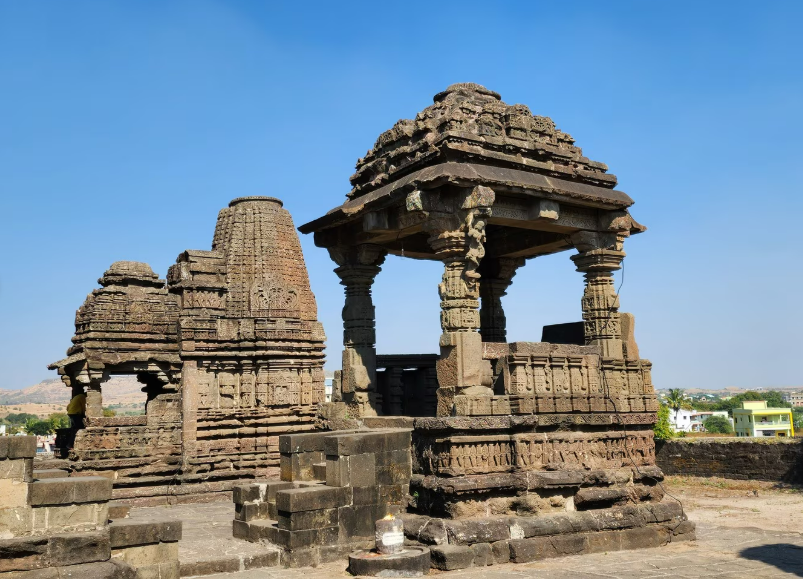
Source: ORGANISER
|
PRACTICE QUESTION Q. Which of the following is a key structural characteristic of Hemadpanti temples? A. Use of red sandstone and mortar B. Use of brick and lime plaster C. Use of black stone assembled without mortar D. Use of wood and iron joints Answer: C Explanation: Hemadpanti temples are a distinct architectural style from Maharashtra, primarily developed during the 13th century under the patronage of Hemadri Pandit (also known as Hemadpant), a minister in the Yadava dynasty. A key structural characteristic is the use of locally available black basalt stone.These stones are fitted together using a dry masonry technique, specifically employing tenon and mortise joints to lock the blocks in place without the use of any mortar or adhesive. |
Researchers discovered the remains of a 12th-century temple-style stone pillar carved from black basalt. It features a finely sculpted lotus motif and other carvings characteristic of its time.
Hemadpanti architecture is a unique temple-building style named after Hemadpant, a prime minister in the Yadava court. Its key feature is the use of dry masonry, where locally sourced stones are interlocked without mortar. Other features include star-shaped plans and intricately carved interiors.
The main challenges include natural weathering, environmental threats like pollution, human interference such as vandalism and encroachment, a lack of public awareness, and bureaucratic hurdles related to funding and the official protection process.


© 2026 iasgyan. All right reserved