The Ministry of Tourism has introduced a homestay sub-scheme under Swadesh Darshan and PM-JUGA, offering up to ₹5 lakh to strengthen tribal livelihoods through tourism. It promotes women’s empowerment and cultural preservation while addressing ecological and connectivity challenges via ONDC integration, community ownership models like Khonoma, and Mission LiFE principles.
Copyright infringement not intended
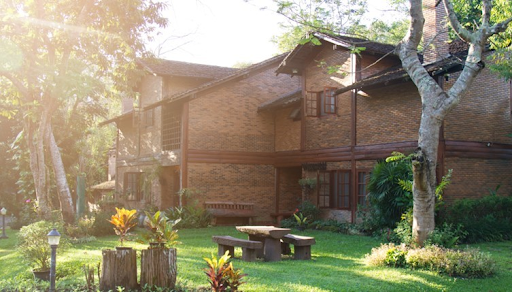
Picture Courtesy: primemeghalaya
The Union Minister for Tourism and Culture discussed the ‘Development of Homestays in Tribal Areas’ sub-scheme, under Pradhan Mantri Janjatiya Unnat Gram Abhiyan (PM-JUGA), in the Rajya Sabha.
|
Read all about: HOMESTAY TOURISM IN INDIA l SWADESH DARSHAN l PRADHAN MANTRI JANJATIYA UNNAT GRAM ABHIYAN |
The Development of Homestays in Tribal Areas is a sub-scheme of the revamped Swadesh Darshan 2.0.
Launched by the Ministry of Tourism, it operates under the Pradhan Mantri Janjatiya Unnat Gram Abhiyan (PM-JUGA)—also known as Dharti Aaba Janjatiya Gram Utkarsh Abhiyan—which aims to uplift approximately 63,000 tribal-majority villages across India.
Key Objectives
Alternative Livelihood: Provide sustainable income sources for tribal communities by tapping into the tourism potential of remote areas.
Responsible Tourism: Promote community-based tourism that facilitates cultural exchange and offers authentic rural experiences to visitors.
Infrastructure & Skills: Facilitate technical up-skilling for homestay owners and enhance local village community infrastructure.
Financial Support & Scope
The scheme targets the development of 1,000 tribal homestays nationwide. Funding is provided for the following:
Implementation Status
The Ministry of Tourism has issued formal guidelines and templates for state governments to submit project proposals.
Currently, projects have been approved in five States/UTs: Andhra Pradesh, Madhya Pradesh, Mizoram, Uttarakhand, and Ladakh, with a total sanctioned cost of ₹17.52 crore.
Progress is monitored through the PM Gati Shakti platform to ensure transparency.
Addressing Economic Isolation
Tribal communities constitute 8.6% of India's population but face higher poverty rates. Tourism creates a local multiplier effect, where tourist spending directly boosts village income.
Curbing Distress Migration
By providing livelihood opportunities within their ancestral lands, the scheme helps reduce the high rate of migration from tribal areas to urban centres.
Cultural Preservation
When local culture, art, cuisine, and traditions generate income, it creates a strong community incentive to preserve them. For example, it can revive traditional agricultural practices like millet cultivation.
Women's Empowerment
Homestay models are highly conducive to female participation. The Mangalajodi Ecotourism Trust in Odisha is a prime example where women manage hospitality, leading to greater gender parity in income.
Promoting Cultural Exchange
Direct interaction between tourists and hosts helps break down stereotypes and promotes what UN Tourism calls "Peace through Tourism."
Commodification of Culture
The Virginius Xaxa Committee (2014) warned against the risk of turning tribal culture into a "human zoo," where sacred rituals are performed merely for entertainment, losing their spiritual significance.
Ecological Fragility
Most tribal habitats are in ecologically sensitive zones. Unregulated tourism can exceed the area's "carrying capacity," leading to waste management crises and environmental degradation.
Connectivity Gaps
Effective marketing requires online presence, but internet penetration in tribal areas is below 40%, forcing hosts to rely on aggregators who charge high commissions. (Source: TRAI Annual Report)
Promote Ministry Convergence
The Ministry of Tourism must collaborate with the Ministry of Tribal Affairs (MoTA) and TRIFED to help set up outlets in homestay clusters to market GI-tagged tribal artifacts and products.
Adopt a "High Value, Low Volume" Model
Following the Bhutan Model, the focus should be on attracting responsible, high-spending tourists rather than mass tourism to minimize ecological impact while maximizing economic gain.
Leverage Digital Public Infrastructure (DPI)
Integrate tribal homestays onto platforms like the Open Network for Digital Commerce (ONDC) to empower hosts to bypass intermediaries and retain a larger share of their revenue.
Ensure Institutional Safeguards
The scheme's implementation must strictly adhere to the principles of the Samatha Judgment (1997), which prohibits the transfer of tribal land to non-tribal entities, ensuring ownership and control remain with the local tribal community.
Learn Lessons from Best Practices
Khonoma Green Village, Nagaland (Domestic): The Angami tribe created India's first "Green Village" by banning hunting and logging and establishing community-run homestays to reinvest revenue into conservation and development.
Maori Tourism, New Zealand (International): New Zealand safeguards the intellectual property of Māori-owned tourism businesses, which has helped Māori culture become an economic contributor through the promotion and assurance of business quality.
The "Development of Homestays in Tribal Areas" scheme shifts tribal development from welfare to empowerment, needing sensitive implementation to balance economic goals with cultural and ecological integrity, thereby leveraging tribal heritage through Mission LiFE to drive inclusive growth and achieve Viksit Bharat.
Source: PIB
|
PRACTICE QUESTION Q. "Tourism in tribal areas is a double-edged sword." Critically analyze. 150 words |
It is a Ministry of Tourism initiative under the Swadesh Darshan and PM-JUGA schemes. It aims to fund and develop homestays in tribal-majority villages to promote tourism, provide alternative livelihoods, and preserve local culture.
Homestays generally see high female participation. Women often manage hospitality, cuisine, and housekeeping, allowing them to earn an independent income and achieve greater gender parity within the community, as seen in the Mangalajodi model in Odisha.
The primary risks include the "commodification of culture" (turning rituals into entertainment), ecological damage in sensitive zones, and the potential displacement or gentrification of tribal lands if not protected by laws like the Samatha Judgment.


© 2026 iasgyan. All right reserved