

The One Nation, One Port initiative aims to standardise and digitise port operations across India to reduce logistics costs, improve efficiency, and enhance global trade competitiveness. By harmonising documentation, promoting paperless clearances, benchmarking port performance through Sagar Ankalan, and enabling digital trade via the MAITRI platform, the initiative strengthens India’s integration with global value chains. Aligned with PM Gati Shakti and Atmanirbhar Bharat, it transforms Indian ports into efficient, sustainable engines of economic growth.
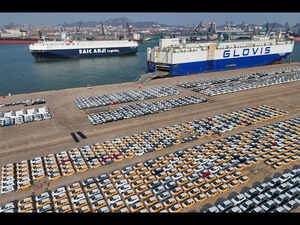
One Nation one port
Copyright infringement not intended
Picture Courtesy: Economics Times
The One Nation-One Port Process (ONOP) framework will reduce 33% of the documentation leading to enhancing efficiency and reduction in cost and time.
|
Must Read: INDIA’S PORTS AND SHIPPING | Major sea Port in India | India's Port Development: Achieving Global Recognition | |
The One Nation, One Port (ONOP) Process initiative, launched by the Ministry of Ports, Shipping and Waterways (MoPSW), aims to create a uniform, efficient, and technology-driven port ecosystem across India. It seeks to remove procedural fragmentation among ports and enhance India’s competitiveness in global trade and logistics.
Objectives:
Key Features:
Standardised Port Operations
Reduction in Documentation Burden
Sagar Ankalan – Logistics Port Performance Index (LPPI)
MAITRI Digital Platform
Green and Smart Port Infrastructure
Maritime Development Fund and Shipbuilding Support
Lowering logistics cost as a percentage of GDP: India’s logistics cost has traditionally remained high at around 13–14% of GDP, compared to 8–10% in developed economies such as Germany and Japan. One of the key reasons has been fragmented port procedures, duplication of documents, and long cargo dwell times.
Under the One Nation, One Port (ONOP) framework, documentation for container cargo has been reduced by 33%, and for bulk cargo by 29%, directly lowering transaction and compliance costs.
Improving India’s ranking in global trade and logistics indices: India has historically underperformed in global logistics benchmarks due to procedural delays rather than physical infrastructure gaps.
In the World Bank’s Logistics Performance Index (LPI), India improved from rank 54 (2014) to rank 38 (2023), with notable gains in customs efficiency and infrastructure quality.
Strengthening Integration with global value chains (GVCs): Global manufacturing today relies on just-in-time logistics and predictable port operations. Fragmented port rules previously disrupted India’s participation in GVCs. ONOP addresses this by enabling predictable and time-bound cargo clearances across ports and supporting Virtual Trade Corridors (VTCs) through the MAITRI platform with partners such as the UAE and ASEAN
Supporting Atmanirbhar Bharat and PM Gati Shakti: The ONOP initiative complements national development strategies by improving logistics efficiency and infrastructure coordination.
The One Nation, One Port initiative is a transformative reform aimed at harmonising India’s port operations through standardisation, digitisation, and sustainability. By reducing logistics costs, improving global competitiveness, and enabling seamless integration with global value chains, it strengthens India’s trade ecosystem. Aligned with Atmanirbhar Bharat and PM Gati Shakti, the initiative positions Indian ports as efficient growth engines, supporting export-led development and India’s ambition to emerge as a global maritime hub.
Source: Economic Times
|
Practice Question Q. “The One Nation, One Port initiative marks a shift from fragmented port governance to a unified, technology-driven maritime ecosystem.” Discuss. (250 words) |
It is a reform initiative of the Ministry of Ports, Shipping and Waterways aimed at standardising port procedures, documentation, and digital systems across all Indian ports to improve efficiency and reduce logistics costs.
Earlier, Indian ports followed different operational practices, leading to delays, higher compliance costs, and unpredictability in trade. The initiative addresses these structural inefficiencies.
By cutting documentation requirements, enabling paperless clearances, reducing cargo dwell time, and ensuring uniform processes, it lowers transaction costs and improves turnaround time.

.jpg)

© 2026 iasgyan. All right reserved