Description
India enters this moment with real foundations — a growing policy base, maturing bilateral relationships, and a growing role in local and global labour corridors.
Why in News?
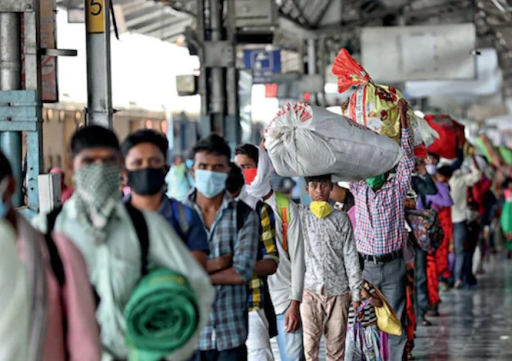
Recent reports from the Ministry of External Affairs and various international labor bodies have highlighted a blind spot in India’s current migration framework. While existing laws like the Emigration Act, 1983 focus on regulating recruitment agencies and departure clearances, they often fail to address the challenges migrants face during transit and upon arrival in the host country.
Key Highlights of the Whole-of-Journey Approach
- Comprehensive Protection: This approach views migration as a continuous process rather than a single event. it covers three distinct phases: Pre-departure, In-transit/On-site, and Return/Reintegration.
- Pre-departure Orientation: Enhancing the quality of the Pre-Departure Orientation Training (PDOT) to include financial literacy, legal rights in specific host countries, and digital tools for emergency assistance.
- On-site Support Systems: Strengthening the role of Indian Missions (Embassies and Consulates) to provide proactive legal aid, mental health support, and dispute resolution mechanisms for workers in distress.
- Bilateral Integration: Moving beyond simple labor supply agreements toward Migration and Mobility Partnership Agreements (MMPAs) that ensure host countries share the responsibility for migrant welfare.
- Reintegration Policy: Developing a structured framework for returning migrants to utilize their foreign-acquired skills and savings in the domestic economy, preventing a cycle of precarious re-migration.
Objectives of the Reform
- Mitigating Vulnerability: Reducing the risk of human trafficking, wage theft, and physical abuse by maintaining a continuous link between the state and the migrant.
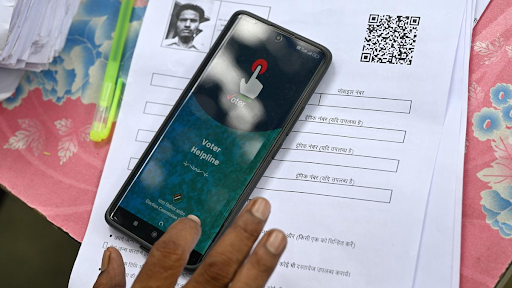
- Data-Driven Governance: Utilizing the eMigrate portal to track the entire lifecycle of a migrant worker, allowing for faster response during regional crises or pandemics.
- Leveraging Remittances: Creating a safer environment for workers to ensure the steady flow of remittances, which remain a vital pillar of India's foreign exchange reserves.
Challenges in Current Governance
- Legislative Lag: The Emigration Bill, 2021, which aimed to replace the outdated 1983 Act, has faced delays in implementation, leaving many digital-age migration issues unaddressed.
- Informal Channels: A significant portion of Indian migration occurs through irregular or informal channels, making it difficult for the government to provide protection or track the whole journey.
- Limited State Coordination: There is often a disconnect between the Union government’s external policies and the state governments’ role in grassroots recruitment and reintegration.
Way Forward
- The government should prioritize the passage of a modernized Emigration Act that formally recognizes the whole-of-journey principle.
- Establishing migrant resource centers at the district level in high-migration states like Kerala, Punjab, and Uttar Pradesh can bridge the gap between policy and practice.
- Furthermore, fostering multilateral cooperation through forums like the Abu Dhabi Dialogue and the Colombo Process will help standardize protection norms across the corridor between India and the Gulf Cooperation Council (GCC) countries.
Conclusion
Migration is a powerful engine of economic growth for India, but its human cost cannot be ignored. By adopting a whole-of-journey approach, India can transition from being a mere supplier of labor to a global leader in migrant rights protection.
Source: Indian Express
|
PRACTICE QUESTION
Q. "India’s migration governance is often reactive rather than proactive." Evaluate the need for a 'whole-of-journey' approach to replace the current crisis-centric model. (150 words)
|