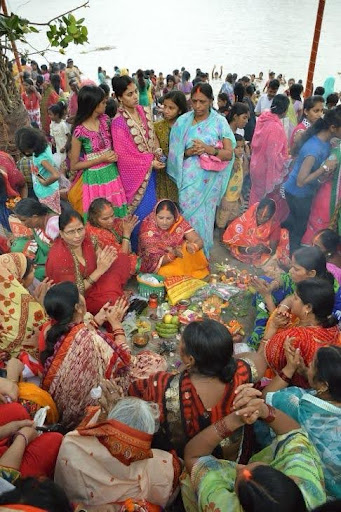
Deepavali’s inclusion in UNESCO’s Representative List of the Intangible Cultural Heritage of Humanity in 2025 recognises it as a living, community-based cultural practice that embodies values of light, renewal, and social harmony. The inscription highlights India’s cultural diversity and reinforces the importance of safeguarding festivals as dynamic traditions transmitted across generations.

Deepavali inscribed as UNESCO Intangible cultural heritage
Copyright infringement not intended
Picture Courtesy: Indian Express
Deepavali, the festival of light, is inscribed on UNESCO Representative List of Intangible Cultural Heritage of Humanity.
|
Must Read: UNESCO'S INTANGIBLE HERITAGE LIST | |
UNESCO’s Intangible Cultural Heritage (ICH) List is a global framework designed to recognise, safeguard, and promote living cultural traditions that communities inherit, practise, and transmit across generations. It operates under the 2003 UNESCO Convention for the Safeguarding of the Intangible Cultural Heritage, reflecting a shift from monument-centric heritage to people-centric, living heritage.
At its core, intangible cultural heritage refers to non-material cultural expressions that shape a community’s identity and collective memory. These include oral traditions, performing arts, rituals, festivals, traditional knowledge systems, and craftsmanship, which constantly evolve in response to social, economic, and environmental changes.
The ICH framework emphasises that culture is not static but dynamic and community-owned. Unlike tangible heritage (monuments or sites), intangible heritage survives only when people actively practise and transmit it. Therefore, UNESCO places strong emphasis on community participation, intergenerational transmission, and respect for cultural diversity.
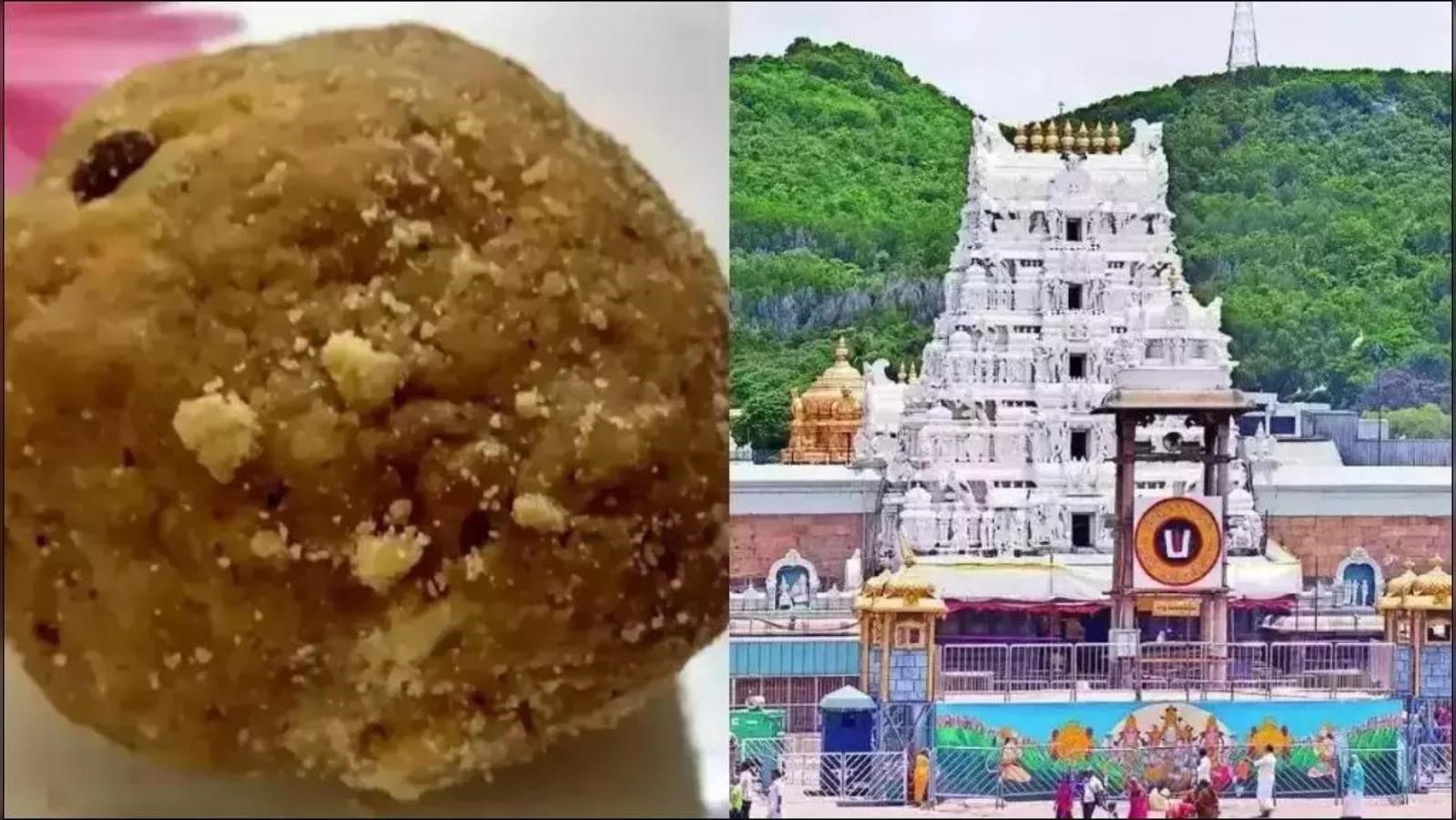
India has several elements inscribed on the Representative List, such as:
These inscriptions highlight India’s cultural diversity and living traditions.
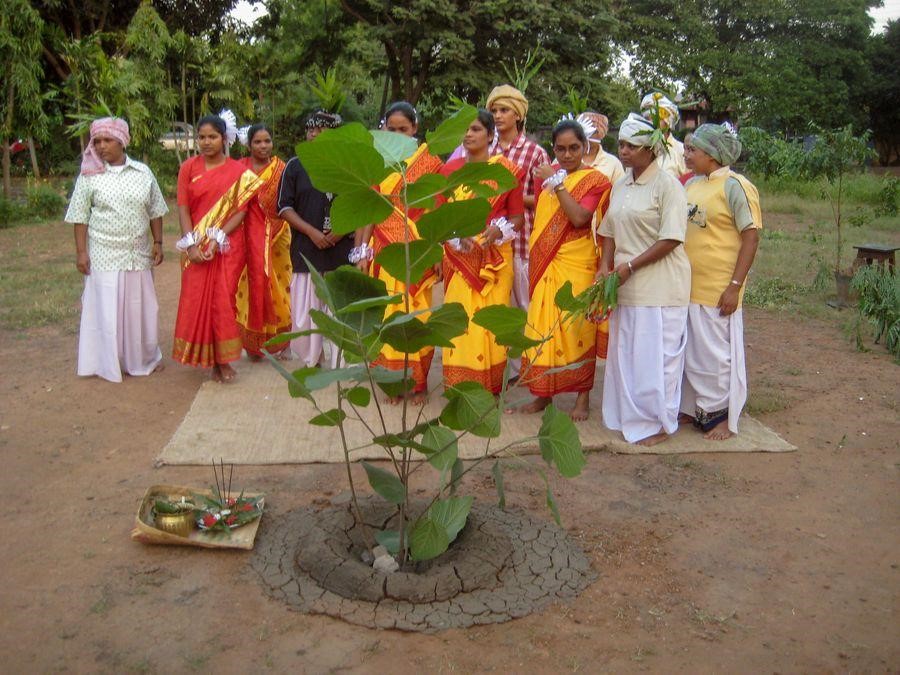
Identification by the community: The process begins at the community level. The cultural practice must be:
UNESCO emphasises that intangible heritage cannot be imposed from above; community consent and participation are mandatory.
Inclusion in the national inventory: The concerned country must first include the cultural practice in its national inventory of intangible cultural heritage, prepared and updated by the State Party (government).
This ensures that the element is officially recognised and safeguarded at the national level before international nomination.
Preparation of Nomination Dossier: The State Party prepares a detailed nomination file, which includes:
Different nomination formats are used depending on whether the element is proposed for the Representative List, Urgent Safeguarding List, or Register of Good Safeguarding Practices.
Submission to UNESCO: The completed nomination dossier is submitted by the national government to UNESCO within the prescribed deadline (usually 31 March of the nomination year).Only States Parties to the 2003 Convention can submit nominations.
Decision by the intergovernmental committee: The final decision is taken by UNESCO’s Intergovernmental Committee for the Safeguarding of the Intangible Cultural Heritage, comprising representatives of member states.
Post-Inscription responsibilities: Inscription is not the end of the process. The State Party must:
Conclusion:
UNESCO’s Intangible Cultural Heritage List highlights the importance of living traditions, practices, and knowledge systems in preserving cultural diversity and community identity in a globalised world. By focusing on safeguarding, transmission, and community participation, the list ensures that heritage remains dynamic and relevant rather than frozen in time, strengthening intercultural dialogue and sustainable development.
Source: Indian Express
|
Practice Question “UNESCO’s Intangible Cultural Heritage List represents a shift from monument-centric conservation to people-centric cultural safeguarding.” Discuss. (250 words) |
It is a global list created by UNESCO to recognise and safeguard living cultural traditions and practices such as festivals, rituals, performing arts, traditional knowledge, and craftsmanship.
Tangible heritage refers to physical sites and monuments (like temples or forts), while intangible heritage includes non-physical, living traditions that exist through practice and transmission.
No. UNESCO does not claim ownership. Inscription only provides international recognition and safeguarding support, while communities retain full ownership.


© 2026 iasgyan. All right reserved