

Copyright infringement not intended
Picture Courtesy: INDIAN EXPRESS
India's goal to achieve a $1 trillion digital economy by 2030, supported by over one billion internet subscribers, makes Digital Sovereignty—a core national priority to prevent becoming a "digital colony."
Digital Sovereignty is the principle that a nation has the independent authority to govern its digital destiny.
This includes Nation's control over its citizens' data, the digital infrastructure operating within its borders, and the laws that regulate technology and the internet.
For India, this is not just a policy choice but a necessity for economic self-reliance and national security.
Economic Value Creation
Data is a strategic resource. Digital sovereignty ensures that the economic value generated from the data of Indian citizens benefits the Indian economy. This promotes domestic innovation and prevents 'data colonialism,' where raw data is monetized abroad.
National Security
Over-reliance on foreign-controlled digital infrastructure creates major geopolitical risks. With cybersecurity incidents in India crossing 2.4 million in 2024 (Source: CERT-In), securing critical national and citizen data within domestic boundaries is vital for security.
Policy and Legal Autonomy
It empowers India to create and enforce its own laws on critical digital issues like platform regulation, competition policy, and digital taxation, free from the influence of multinational corporations or foreign governments.
Protection of Citizen Rights
A sovereign digital framework is essential to uphold the fundamental rights of Indian citizens, especially the Right to Privacy, which is now a part of Fundamental Rights.
Puttaswamy Judgement (2017)In the case of Justice K.S. Puttaswamy (Retd.) vs Union of India, a nine-judge Supreme Court bench unanimously declared the Right to Privacy as a fundamental right under Article 21 of the Constitution. This judgment established that any state interference with privacy must be legal, necessary, and proportionate. It provided the constitutional foundation for India to create a robust data protection regime, safeguarding citizens' informational privacy in the digital era. |
India is strategically building its digital sovereignty through a multi-faceted approach focusing on legislation, public infrastructure, and data governance.
 Legislative Framework: The DPDP Act, 2023
The Digital Personal Data Protection (DPDP) Act, 2023, stemming from the recommendations of the Justice B.N. Srikrishna Committee, built on principles of lawful data processing, purpose limitation, and data minimization. Key features include:
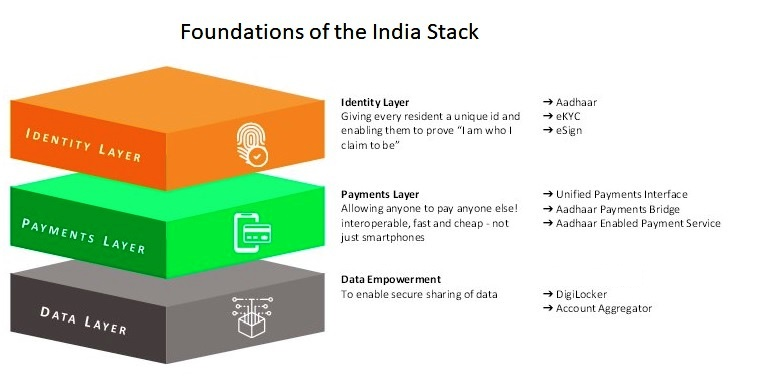
The India Stack is the foundation of Digital Public Infrastructure (DPI) built by India.
It is a sovereign digital foundation of open-source, interoperable APIs that enables efficient and scalable service delivery for both government and private sectors, reducing reliance on proprietary foreign technology.
|
Unified Payments Interface (UPI)
|
Data localisation, which mandates storing data within a nation's geographical boundaries, is a critical tool for asserting sovereignty. It ensures regulatory bodies have timely access to data for supervision and law enforcement
|
RBI’s Directive on Payment Data In 2018, the Reserve Bank of India (RBI) issued a directive requiring all payment system providers to store the entire end-to-end transaction data of Indian customers exclusively within India, to ensure "unfettered supervisory access" for regulatory oversight. |
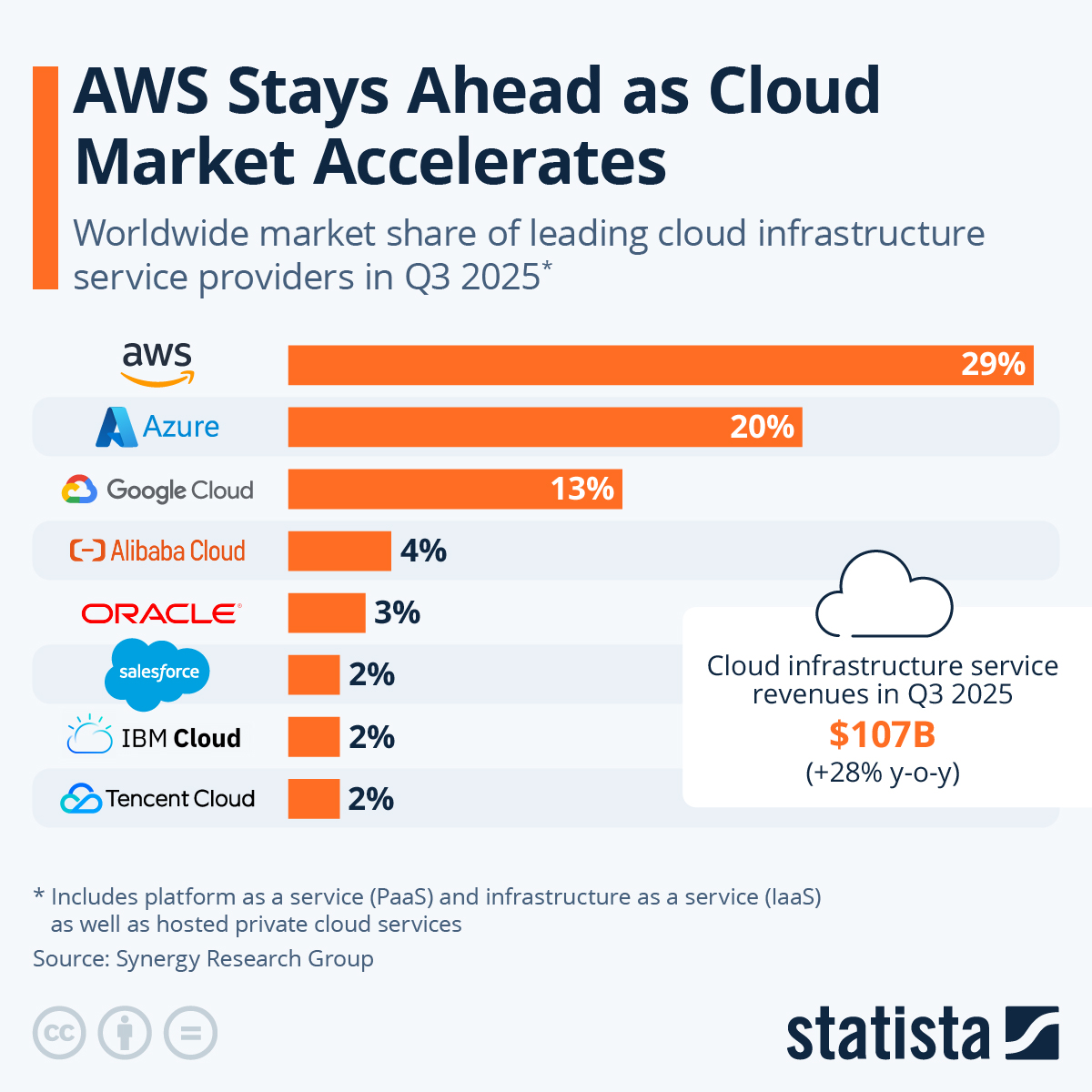
Dependence on Foreign Technology: India’s digital ecosystem relies heavily on foreign infrastructure.
 Pressure from Trade Agreements: Many developed nations advocate for clauses in Free Trade Agreements (FTAs) that prohibit data localisation mandates, creating a conflict between India's sovereign interests and its global economic integration goals.
Balancing Sovereignty and Innovation: Striking the right balance is crucial. Overly restrictive policies could increase operational costs for businesses, particularly startups, and deter foreign investment, potentially hindering innovation.
India is developing a unique "third way" that combines elements from other dominant global models.
|
Model |
Approach |
Key Feature |
Example |
|
US Model |
Market-driven |
Prioritizes free flow of data and corporate-led innovation with minimal state intervention. |
Dominated by large tech corporations like Google, Meta, and Amazon. |
|
EU Model |
Rights-based |
Focuses on individual rights and data protection as a fundamental right. |
General Data Protection Regulation (GDPR). |
|
China Model |
State-centric |
Prioritizes state control, national security, and surveillance over the digital ecosystem. |
The "Great Firewall" and strict data laws. |
|
Indian Model |
Hybrid / "Third Way" |
Blends state-led DPI for public good, a rights-based legal framework (DPDP Act), and a market for private innovation. |
India Stack (UPI, Aadhaar) and the DPDP Act, 2023. |
Strengthen Indigenous Capabilities
A focused push under the Atmanirbhar Bharat mission is needed to build domestic capacity in critical areas like semiconductor manufacturing, cloud services, and AI development.
Adopt a Calibrated Data Localisation Policy
Enforce mandatory localisation for critical data (finance, health, national security) while allowing for a more flexible approach for non-critical data to balance security with economic growth.
Advocate Global Data Governance Framework
Leverage international platforms like the G20 to advocate for a new global consensus on data governance that respects national sovereignty while promoting a secure and equitable global digital commons.
Invest in Human Capital
The ultimate pillar of sovereignty is a digitally skilled population. Investing in digital literacy and future-ready skills is essential to harness data for inclusive growth and innovation.
Conclusion
For India, the journey towards digital sovereignty is a major challenge of the 21st century, requiring proactive policy-making and indigenous technological development to ensure it shapes the digital future and emerges as a leader in the global digital order.
Source: INDIAN EXPRESS
|
PRACTICE QUESTION Q. Evaluate India’s unique ‘third way’ model of digital governance, comparing its key features with the state-centric Chinese model and the market-driven US model. 250 words |
Digital sovereignty is a nation's ability to have independent control over its own digital infrastructure, data, and the legal frameworks that govern its technological ecosystem, ensuring it can shape its own digital future.
It is crucial for national security because dependence on foreign-controlled digital infrastructure creates vulnerabilities. It allows external actors to control critical systems, as seen with the SWIFT ban on Russia. Securing data within national boundaries helps protect against cyberattacks and foreign surveillance.
The main purpose of the DPDP Act, 2023, is to create a comprehensive legal framework for the protection of personal digital data. It lays down principles for lawful data processing, grants rights to individuals (data principals), and establishes the Data Protection Board of India for enforcement.
© 2026 iasgyan. All right reserved