

In an era of unprecedented technological advancement and global connectivity, the greatest challenges facing the human race are no longer external forces of nature but the consequences of human choice and behavior. The current global landscape, marked by conflict and environmental strain, suggests that humanity must undergo a fundamental shift in perspective to ensure its own survival.
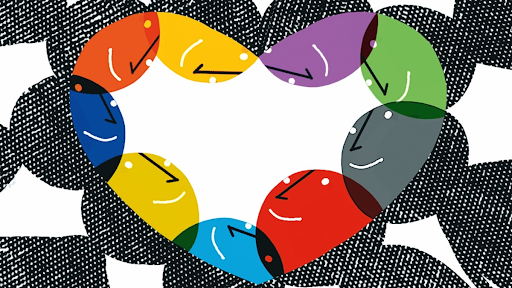
There remains a possibility, though — fragile, but real. Nature, when given space, recovers. Forests regenerate. Wildlife returns. The question is whether humanity can do the same.
A recent philosophical and ethical discourse has gained traction in the wake of escalating global crises in 2026. The discussion emphasizes that the traditional metrics of progress—economic growth and military might—are insufficient if they lead to the erosion of empathy and environmental balance. Leaders and thinkers are increasingly calling for a return to human-centric values to navigate the complexities of the modern world.
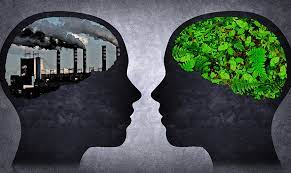
The existential risks facing humanity today are largely self-imposed:
To move away from the path of self-destruction, a shift in the global collective consciousness is required:
The current trajectory is not inevitable. By acknowledging that humanity is its own greatest threat, it also acknowledges that humanity is its own greatest solution. The ability to reason, empathize, and adapt is unique to the human species. Using these tools to bridge divides and heal the planet is the only way to transform the 21st century from an era of crisis into an era of renewal.
By shifting the focus from having more to being better, humanity can mitigate the threats it has created. The ultimate test for the human race is not whether it can conquer the stars or the atom, but whether it can conquer its own destructive impulses and act in good faith for the benefit of all.
Source: Indian Express
|
PRACTICE QUESTION Q. "Humanity possesses the unique ability to act against its own long-term self-interest despite full awareness of the consequences." Analyze the ethical crisis underlying the environmental degradation of the Anthropocene. (150 words, 10 marks) |



© 2026 iasgyan. All right reserved